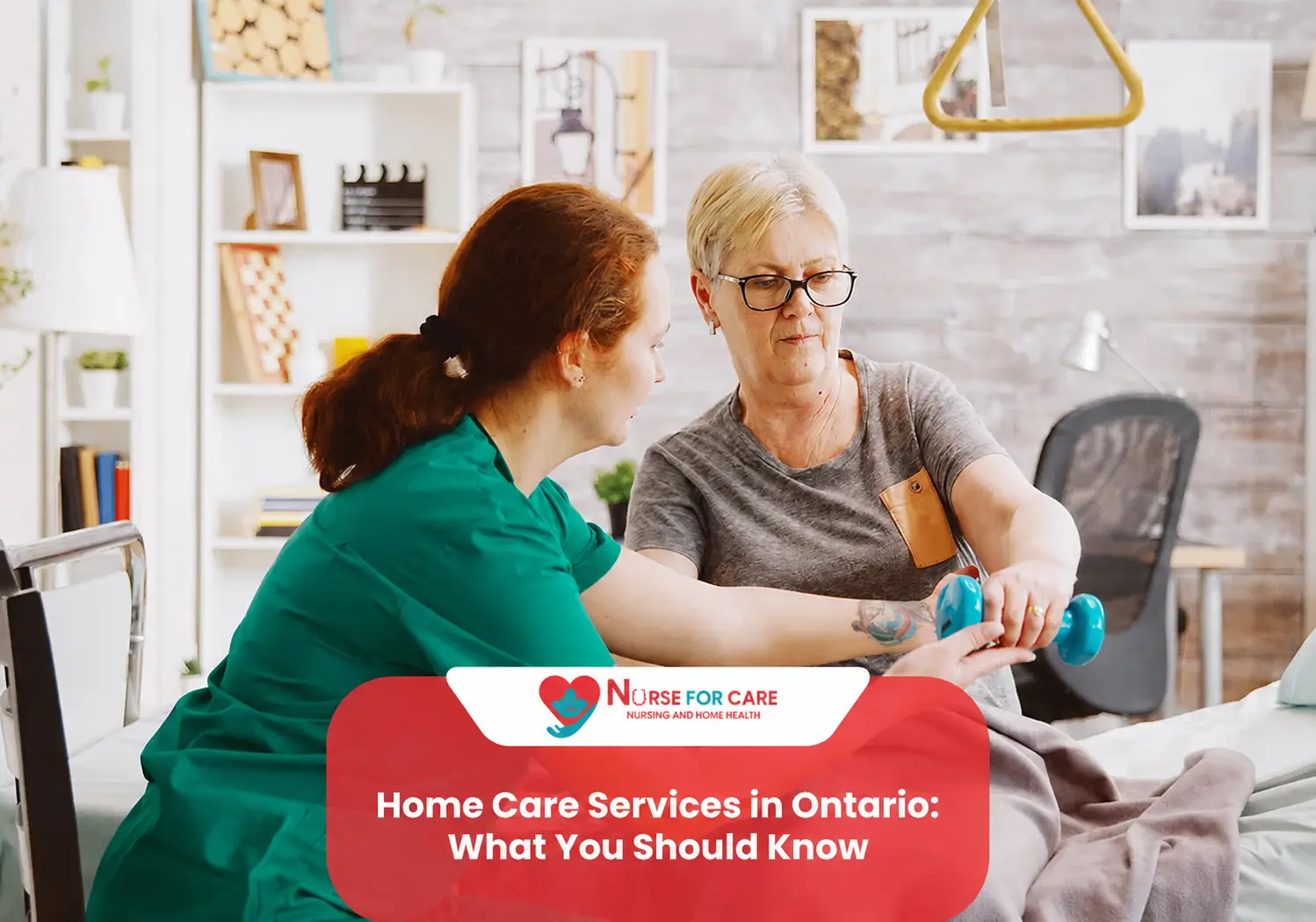


What Does a Personal Support Worker (PSW) Do at Home?
When a loved one starts struggling with daily tasks like getting dressed, preparing meals, or moving safely around the house, families in Toronto often face a difficult question: is it time to consider professional home care?
For many families, the answer does not have to mean moving into a care facility. A Personal Support Worker (PSW) provides the hands-on, one-on-one support your loved one needs while allowing them to stay in the home they know and love. If you are exploring options for a parent or spouse in the Toronto area, learning what PSW services in Toronto include can help you make a more confident decision.
What Is a Personal Support Worker (PSW)?
A Personal Support Worker is a trained caregiver who assists individuals with daily living activities that have become difficult due to aging, illness, injury, or disability. Unlike nurses or doctors, PSWs focus on non-medical personal care: the practical, everyday tasks that make independent living possible.
PSWs work in private homes, retirement residences, and community settings across Toronto and the GTA. Home-based PSW care is particularly valued because it is personalized, flexible, and delivered in a familiar environment, which research consistently shows leads to better outcomes for seniors and individuals with chronic conditions.
Key Home Care Services Provided by a PSW 1. Personal Care and Hygiene
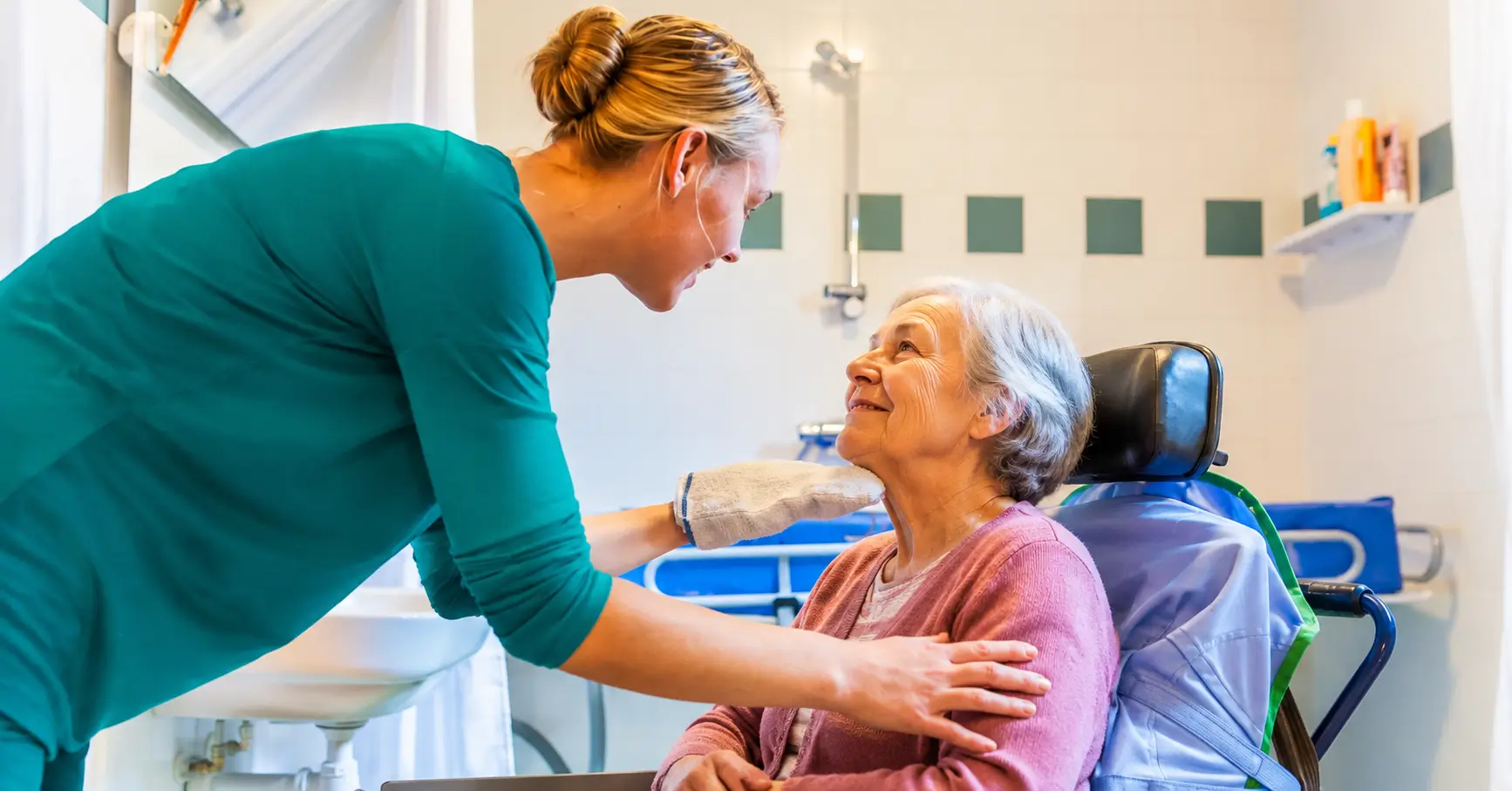
The most fundamental part of a PSW’s role is helping clients with personal hygiene and self-care. These are tasks most people handle independently but that can become unsafe or exhausting with age or illness. This includes:
- Bathing and showering assistance
- Grooming, hair care, and oral hygiene
- Help getting dressed and undressed
- Toileting assistance and incontinence care
Done with patience and respect, this kind of support preserves a person’s dignity while ensuring they stay clean, comfortable, and healthy.
2. Mobility and Fall Prevention
Falls are one of the leading causes of injury among seniors in Canada. A PSW helps reduce this risk by providing safe mobility assistance throughout the home:
- Walking support and balance assistance
- Help getting in and out of bed
- Bed-to-wheelchair transfers
- Monitoring for fall hazards and unsafe behaviour
This support is especially valuable for clients recovering from hip surgery, stroke, or other conditions that affect balance and strength.
3. Meal Preparation and Nutrition
Proper nutrition is often one of the first things to slip when someone is living alone with limited mobility. PSWs help maintain healthy eating habits by:
- Preparing meals according to dietary needs or restrictions
- Assisting with feeding when required
- Reminding clients to stay hydrated
- Light kitchen tidying after meals
For seniors managing conditions like diabetes or heart disease, this kind of nutritional support can make a meaningful difference in long-term health.
4. Medication Reminders
PSWs do not administer medication, as that requires a registered nurse. However, they play an important role in keeping clients on schedule. A PSW can remind clients when it is time to take their medication, observe for any changes in condition, and flag concerns to family members or the broader care team.
5. Light Housekeeping and Household Tasks
A clean, organized home is not just pleasant to live in: it is a genuine safety issue. Clutter increases fall risks and can contribute to anxiety and confusion in clients with dementia. PSWs assist with:
- Laundry and clothing care
- Dishwashing and kitchen tidying
- Bed making and light room organization
- Grocery shopping and basic errands
This practical support also provides enormous relief to family caregivers who are balancing their own lives alongside their loved one’s needs.
6. Transportation and Community Access
Staying connected to the community matters deeply for quality of life. PSWs can escort clients to medical appointments, accompany them on social outings, or help with errands, reducing the isolation that so often follows losing the ability to drive independently.
What a PSW Cannot Do?
It is important to understand the limits of a PSW’s role. PSWs are not medical professionals and do not:
- Diagnose or treat medical conditions
- Administer or adjust medications
- Perform wound care or medical procedures
- Replace the care of a registered nurse or physician
PSWs work as part of a broader care team. If your loved one needs both personal support and clinical nursing care, those services can often be arranged together through a coordinated home care plan.
PSW vs. Home Nurse: What Is the Difference?Feature Personal Support Worker (PSW) Registered Nurse (RN) Focus Daily living and personal care Medical treatment and clinical care Medication Reminders only Administration and adjustment Wound Care Not performed Provided Companionship Core part of the role Limited Cost More affordable Higher hourly rate
| Feature | Personal Support Worker (PSW) | Registered Nurse (RN) |
|---|---|---|
| Focus | Daily living and personal care | Medical treatment and clinical care |
| Medication | Reminders only | Administration and adjustment |
| Wound Care | Not performed | Provided |
| Companionship | Core part of the role | Limited |
| Cost | More affordable | Higher hourly rate |
Many families choose to use both, with a PSW providing daily support and a nurse handling periodic clinical check-ins. This combination gives comprehensive coverage without the cost of a residential care facility.
Who Benefits from PSW Care at Home?
PSW services are well-suited for a wide range of situations. They are designed to support individuals who need help with daily living while continuing to live safely and comfortably at home.
1. Seniors aging at home
Older adults who want to maintain independence but need support with daily tasks often benefit the most from PSW care. Assistance with personal care, mobility, and routine activities helps make aging in place safer and more sustainable.
2. People recovering from surgery or illness
Individuals recovering from procedures such as hip replacement, cardiac treatment, or serious illness often require temporary support at home. Short-term PSW care can help with recovery, reduce stress on the family, and lower the risk of hospital readmission.
3. Individuals living with disabilities
People living with physical or developmental disabilities benefit from ongoing personal care and mobility assistance. PSW support helps them manage daily routines more independently and improves overall quality of life.
4. Clients with dementia or memory conditions
Individuals with dementia or other memory-related conditions benefit from structured routines, calm supervision, and consistent companionship. A trained PSW helps create a stable and supportive environment that reduces confusion and anxiety.
5. Family caregivers needing respite support
Family caregivers often need time to rest, work, or manage personal responsibilities. Respite care from a PSW ensures their loved one continues to receive safe, reliable, and compassionate care at home during their absence.
Why Toronto Families Choose Home Based PSW Care?
Families in Toronto often prefer home based Personal Support Worker care because it allows their loved ones to remain in a familiar environment while receiving professional daily support. This balance of independence and assistance is one of the main reasons in-home care continues to grow in demand.
Many families look for flexible care options that can adjust as needs change over time. Working with experienced home care support services in Toronto ensures that individuals receive consistent help with personal care, mobility, meals, and companionship based on their unique situation.
Home based PSW care also provides peace of mind for families who cannot always be present. Knowing that a trained caregiver is available to assist with daily routines helps reduce stress and improves overall quality of life for both clients and their families.
Ready to Explore PSW Care for Your Family?
If you are considering home care for a loved one in Toronto, the next step is simply understanding what level of support fits your situation.
Our team can help you explore care options and guide you toward safe, reliable in home PSW support for your family.
Frequently Asked Questions
Is a PSW the same as a caregiver?
A PSW is a formally trained caregiver who has completed a recognized personal support worker program. Not all caregivers hold PSW credentials, so the training and scope of care can vary.
Can a PSW give medication?
No. PSWs provide medication reminders but cannot administer, adjust, or manage medications. That responsibility belongs to registered nursing staff.
Can PSW services help with dementia care?
Yes. PSWs are well-suited to dementia care because they provide structured routines, gentle supervision, and the kind of calm companionship that helps clients feel safe and oriented throughout the day.
Are PSW services available overnight?
Yes. PSW care can be arranged for a few hours per day, full-day visits, overnight shifts, or live-in care depending on your family’s needs.
Does OHIP cover PSW services in Ontario?
Government-funded PSW services may be available through Ontario Health atHome (formerly CCAC) for eligible individuals. Private PSW services are not covered by OHIP but may be partially covered by extended health benefits or insurance plans. Private services also offer considerably more flexibility in scheduling and caregiver matching.